 English
 Arabic
 Chinese (Simplified)
 Dutch
Dutch French
 German
 Hindi
Hindi Japanese
 Spanish

Deutscher Führerschein Zu Verkaufen
Add a review FollowOverview
-
Founded Date September 8, 1978
-
Sectors Construction
-
Posted Jobs 0
-
Viewed 97

Company Description
5 Tools That Everyone Working Involved In Road Traffic Regulations Industry Should Be Using
Understanding Road Traffic Regulations: A Comprehensive Guide
Road traffic policies are essential for making sure the safety of drivers, pedestrians, and other road users. These laws govern the operation of cars, the habits of motorists and pedestrians, and help with smooth traffic circulation. This short article explores the various aspects of roadway traffic guidelines, their value, and some common guidelines and regulations that every roadway user need to recognize with.
The Importance of Road Traffic Regulations
Road traffic policies serve a number of important purposes:
- Safety: They are mainly designed to safeguard the lives of individuals on the roadway, reducing mishaps and injuries.
- Organized Traffic Flow: By establishing clear guidelines, these regulations help in managing the circulation of automobiles and lessening congestion.
- Security of Pedestrian Rights: They guarantee that pedestrian crossings and rights-of-way are appreciated, promoting more secure travel on foot.
- Environmental Considerations: Certain guidelines intend to minimize ecological impact, encouraging eco-friendly driving practices.
- Legal Framework: They offer legal responsibility for motorists and pedestrians, marking charges for violations.
Secret Elements of Road Traffic Regulations
Understanding roadway traffic guidelines is important for compliance and security. Below are a few of the essential components:
| Element | Description |
|---|---|
| Traffic Signs | Different indications that supply info and guidelines to drivers. |
| Traffic Signals | Lights that regulate the circulation of traffic at intersections. |
| Speed Limits | Maximum and minimum speed limitations set for various roadway types. |
| Access Rules | Guidelines on which road users should go initially at crossways. |
| Safety Belt Regulations | Laws mandating the wearing of safety belt for chauffeur and passengers. |
| Driving Under the Influence | Rigorous penalties for running an automobile while impaired by alcohol or drugs. |
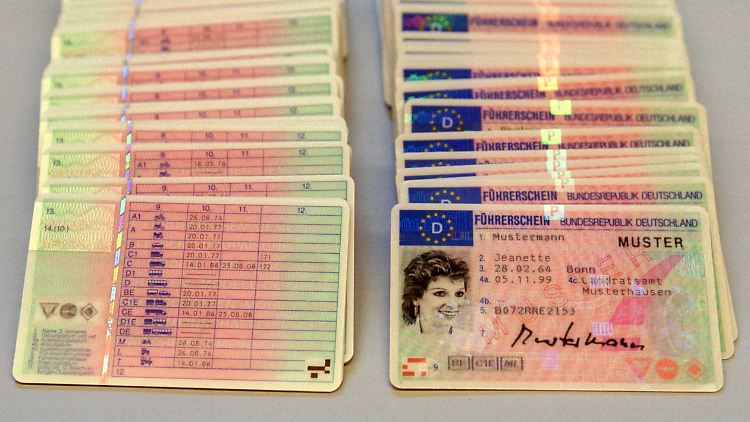
| Lorry Registration and Licensing | Requirements for cars to be registered and motorists to have valid licenses. |
Common Traffic Regulations
Although traffic policies can differ from one country to another, some common rules are generally observed worldwide:
1. Speed Limits
Most jurisdictions implement speed limitations based on road type and location, such as:
- Residential locations: Registrierten FüHrerschein Kaufen Ohne Anzahlung 25-35 miles per hour
- Urban areas: 30-50 mph
- Highways and highways: 55-70 mph
2. Drinking and Driving
Driving under the influence of alcohol or drugs is prohibited in most locations. Typical blood alcohol concentration (BAC) limitations are:
- 0.08% for general chauffeurs
- 0.00% for novice or industrial chauffeurs
3. Safety Belt Usage
Safety belt must be used by all occupants in a vehicle. Failure to comply can lead to fines.
4. Pedestrian Crossings
Motorists need to accept pedestrians at marked crosswalks and adhere to signals directing pedestrian motion.
5. Cellphone Use
Using portable devices while driving is prohibited in many areas to decrease distractions.
Frequently asked question Section
Q1: What should I do if I witness a traffic violation?
If you observe a traffic violation, you ought to gather as much details as possible (lorry description, license plate number, area, and time) and report it to local law enforcement.
Q2: How can I remain updated on modifications in traffic policies?
Traffic laws can alter periodically. Updates are normally published by city government sites. It is advisable to follow local news or traffic law enforcement firms’ statements for any changes.
Q3: Are there specific traffic guidelines for industrial chauffeurs?
Yes, business drivers often face stricter guidelines, such as driving hour limitations, vehicle assessments, and unique licensing requirements.
Q4: What happens if I break traffic policies?
Charges for breaking traffic laws can include fines, points on your license, and in extreme cases, jail time. Repeated infractions may result in the suspension of driving benefits.
Q5: How do traffic policies impact public transport?
Traffic regulations are vital for public transport systems to work efficiently. They help in establishing bus lanes, controling taxi services, and ensuring that public transport automobiles follow safety requirements.
Road traffic policies play a critical function in maintaining the security and order of streets internationally. Comprehending these laws is not simply a legal commitment but an ethical one that promotes the wellness of all roadway users. Continuously updating oneself about traffic policies and adhering to them can greatly decrease the dangers associated with road travel. As communities develop and innovations boost, these regulations might likewise adjust, demanding continuous learning for drivers, bicyclists, and pedestrians alike.
By keeping notified and staying certified with roadway traffic regulations, people contribute positively to the shared duty of roadway security, ultimately decreasing accidents and saving lives.

